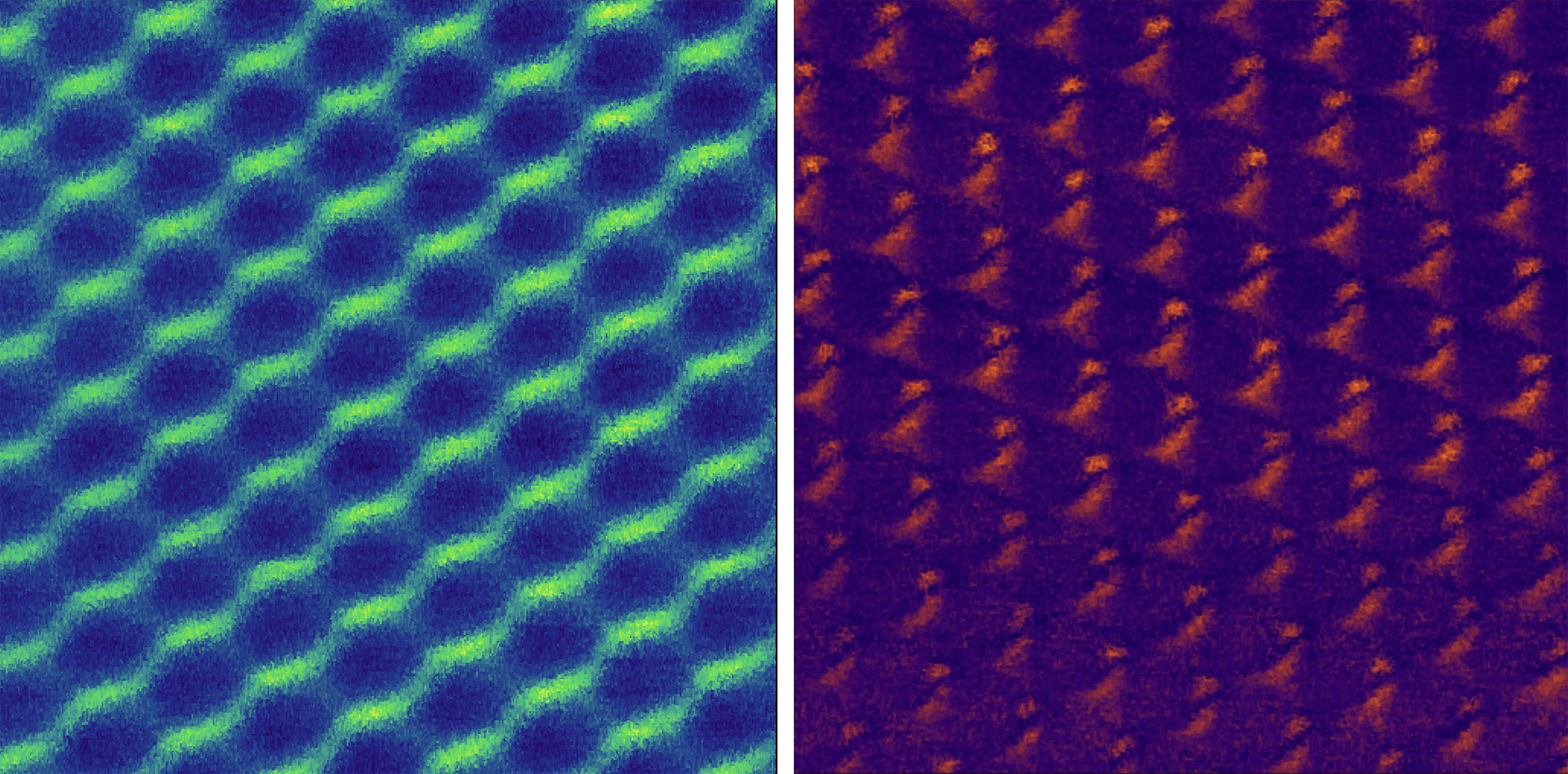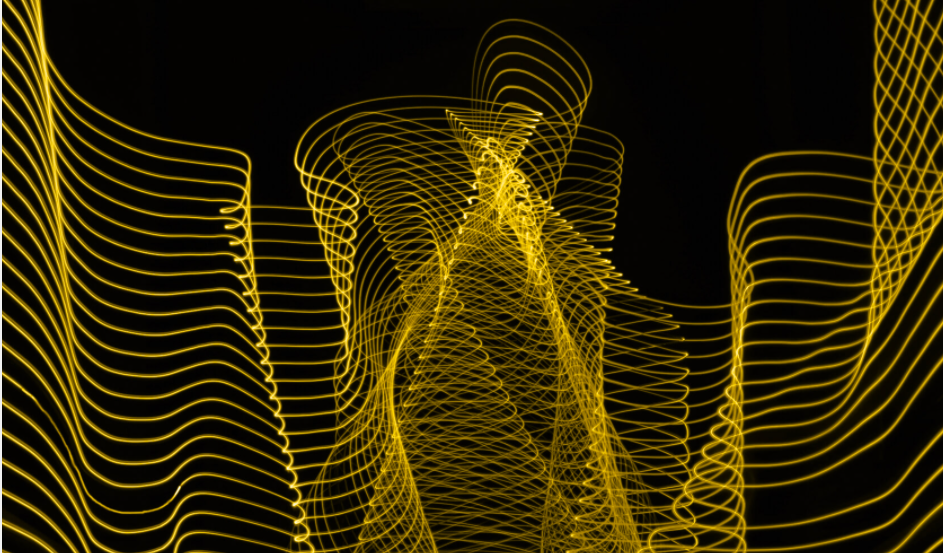



By rapidly twisting a microscopically small tip back and forth, researchers at the University of Maryland (UMD) have unlocked a new way to detect subtle changes on the surface of a material flexing...
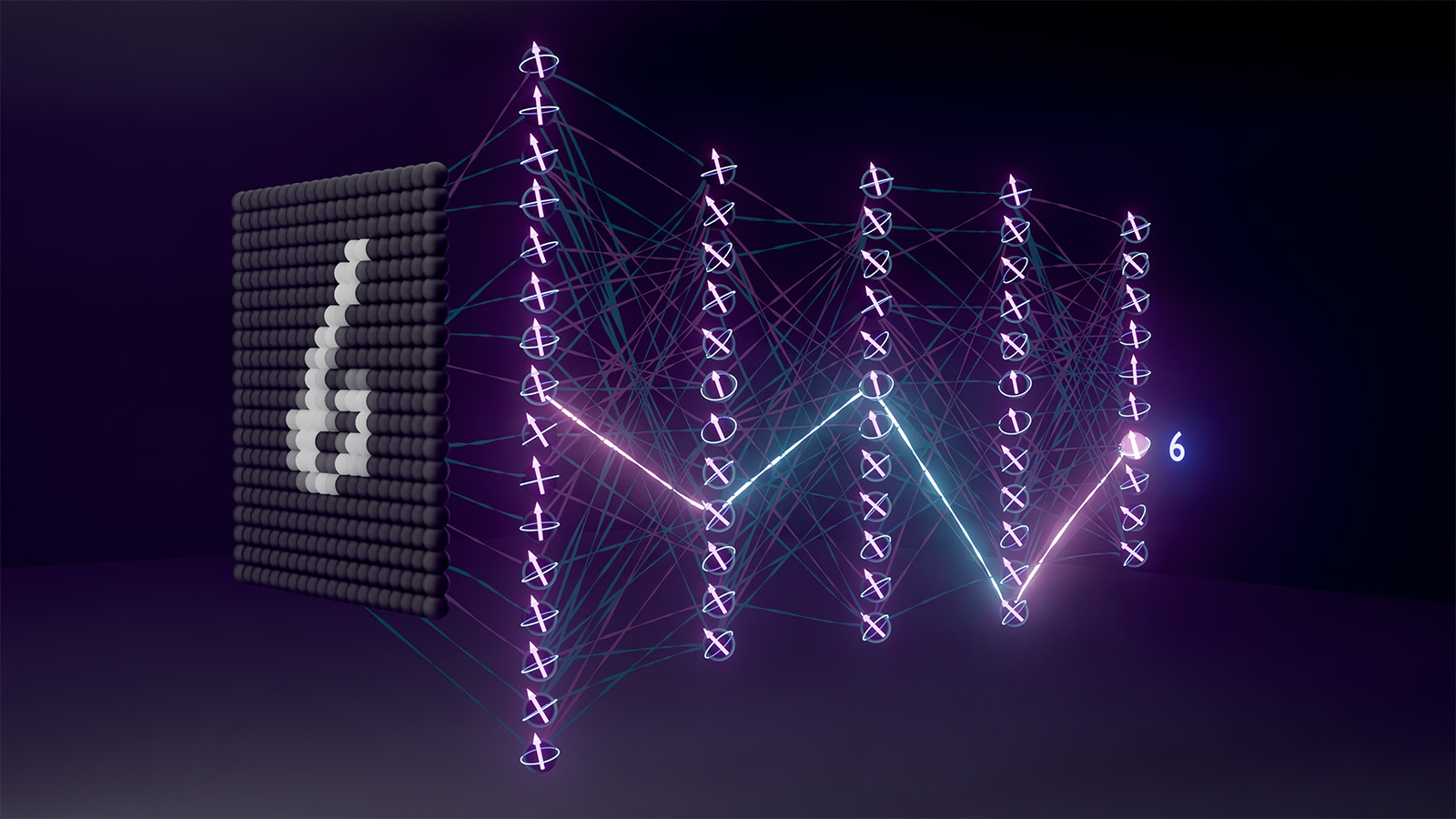
Quantum computing and AI are among the most rapidly developing modern technologies. AI, in the form of machine learning, has been deployed for decades to recommend movies and TV shows and make it...
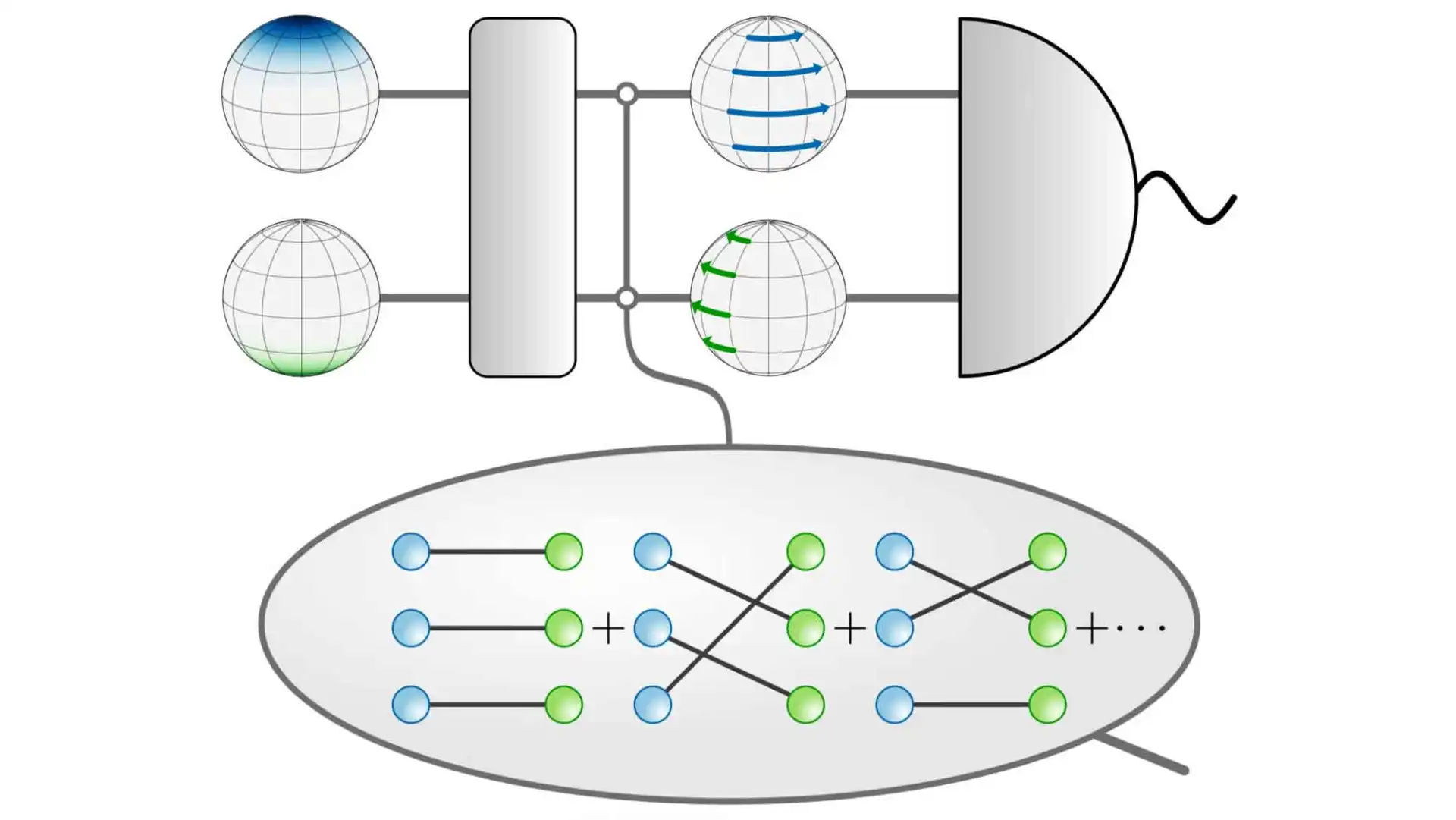
In a quest to build the most accurate sensors in the world, scientists are constantly improving their performance. Making them more precise, stable and reliable. But eventually, physical constraints...
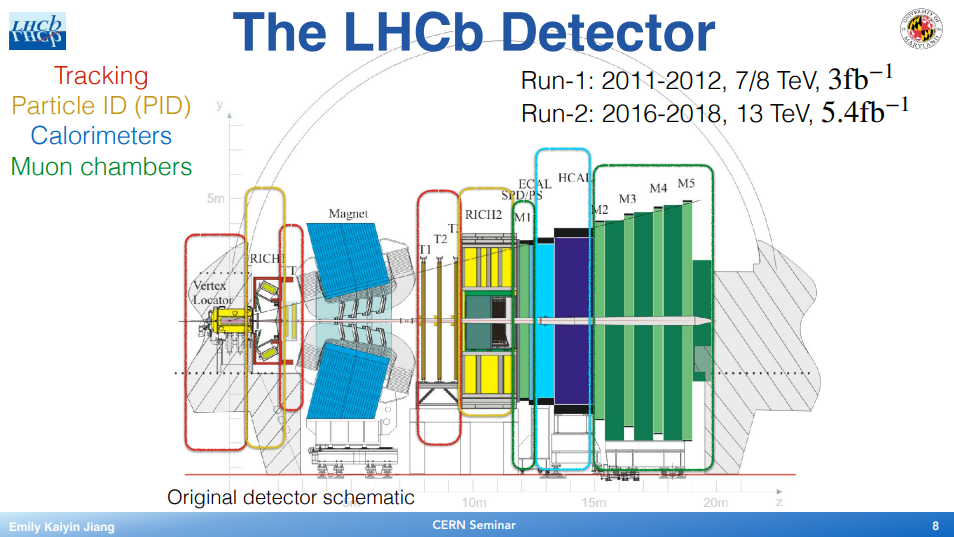
UMD graduate student Emily Jiang delivered a CERN seminar on May 19, 2026, unveiling an important new result on studies of Lepton Flavor Universality using decays of the heaviest B meson, B c + ,...
Quantum particles have a social life, of a sort. They interact and form relationships with each other, and one of the most important features of a quantum particle is whether it is an introvert—a...
Physics is often about recognizing patterns, sometimes repeated across vastly different scales. For instance, moons orbit planets in the same way planets orbit stars, which in turn orbit the center...
A University of Maryland-led institute focused on robust quantum simulation will launch a new phase of research with a five-year U.S. National Science Foundation award expected to total $37.5...
A glimpse at Mary Keen’s resume might suggest that she always wanted to work in nuclear energy—but that’s far from the case. UMD junior physics major Mary Keen is a summer intern at the U.S. Nuclear...
It took one week, five flights and a slow ride on a six-wheeled bus for Rachel Procter-Murphy to arrive at her dream destination: the South Pole. Rachel Procter-Murphy in Antarctica assisting with...
This fall, when all the final system checks are done and the countdown ticks to the final second, NASA’s Nancy Grace Roman Space Telescope will blast off the launchpad at Kennedy Space Center—and no...